

Last Updated: November 21, 2026
Quick Summary
Avoiding hidden fees at ski shops means asking for an all-in quote in writing before you pay, with every add-on marked mandatory or optional. Confirm the damage waiver terms, helmet charge, fitting fee, deposit hold, and exact return time so nothing surprises you at the register.
- Ask the desk staff to mark each line item as mandatory or optional before handing over a card.
- Damage waivers usually cover wear and tear but exclude theft, loss, and misuse.
- Confirm the exact return time, not just the date, and ask about any grace period.
- Check whether your travel insurance or credit card actually covers ski equipment before declining a waiver.
- Scan your receipt line by line against the quote before leaving the counter.
Tired of surprise charges at the rental counter?Carver’s Ski and Bike shows your full rental total up front, with expert fitting and easy online booking.
Table of Contents
- Why Ski Rental Fees Add Up Fast
- The Ski Rental Fees That Show Up at Checkout
- Resort Shop vs. In-Town Shop Pricing
- What a Ski Equipment Damage Waiver Really Covers
- Reading the Ski Rental Cancellation Policy Before You Pay
- Your Ski Rental Agreement Checklist
- Reserve Your Gear With Carver’s Ski and Bike
- Frequently Asked Questions
Why Ski Rental Fees Add Up Fast
Avoiding hidden fees at ski shops starts with understanding where they come from. The advertised daily rate is rarely the number you pay.
Here is the core problem: rental pricing is built to look cheap up front and profitable at checkout. A shop advertises a low walk-up rate, then adds a damage waiver, a fitting charge, a helmet, and a deposit hold.
The good news is that every one of these charges is knowable before you pay. To avoid overpaying for extras you don’t need, see Which Ski Rental Package Should You Choose for Your Skill Level? You just have to ask the right questions in the right order.
Federal Trade Commission guidance on pricing and advertising claims
The Ski Rental Fees That Show Up at Checkout
Ski rental fees fall into two groups: the base rental rate and the extras. The base rate is what you see advertised. The extras are what you find at checkout, and they are where budgets quietly break.
The practical problem is that add-ons are rarely priced on the website. For clothing and add-on gear, see Snowshoe & Clothing Rentals in Breckenridge to compare what’s included before you book.
Add-Ons and Extras to Question
Ask about each of these before you sign anything, and ask specifically whether it is mandatory or optional:
- Damage waiver. Often added automatically as a percentage of the base rate. Ask whether it is optional and what it actually covers. If you decline, you accept liability for damage, know that before you say no.
- Helmet rental. Frequently priced separately from the ski package, often as a flat daily fee. If you own a helmet, bring it; if not, confirm whether the shop charges per day or per rental period.
- Boot fitting or custom adjustment. Some shops charge for time in the fitting room, especially for performance boots. Ask whether fitting is included in the package or billed separately.
- Insurance or rental protection plans. Usually a separate line item from the waiver, and often redundant with it. Ask what the protection plan adds that the waiver does not.
- Late-return fees. Charged per day, sometimes per hour, if you miss the deadline. Confirm the exact return time, not just the date, and ask what the grace period is, if any.
- Deposit holds. A pre-authorization on your card that ties up funds even if you never pay it. Ask the amount and when it is released; some shops hold it for several business days after return.
- Delivery, storage, and tuning. Some shops charge to deliver gear to your lodging, store it overnight, or tune it mid-rental. These are useful services for some skiers and unnecessary for others, decide before you pay.
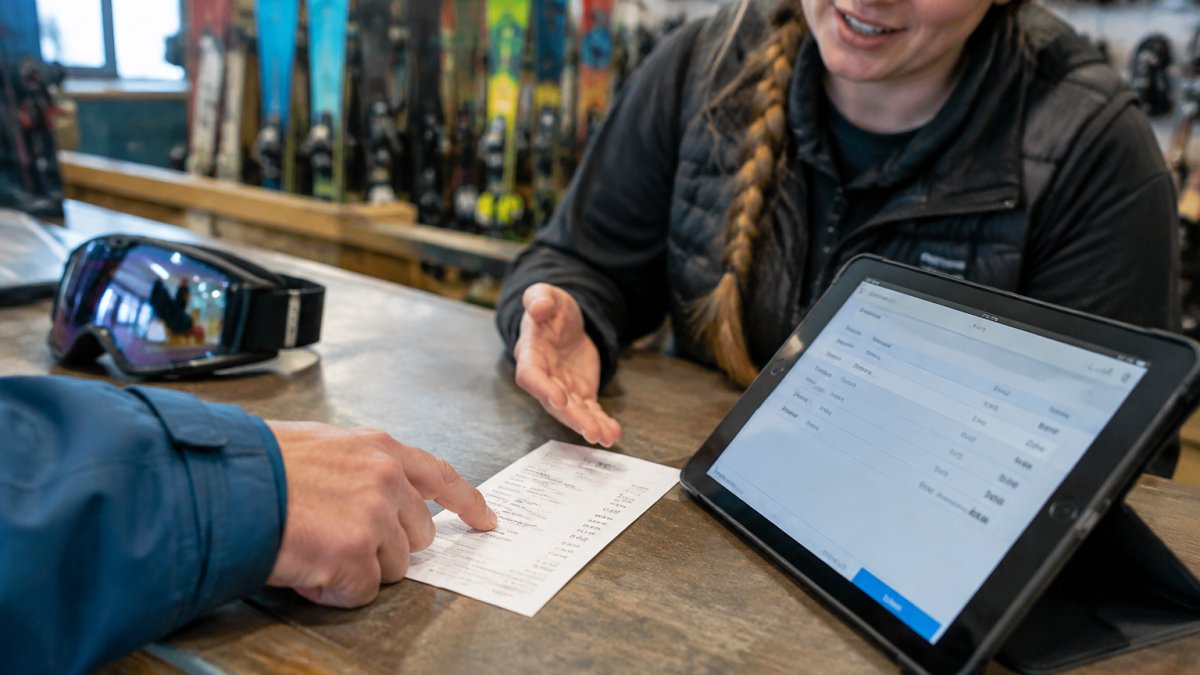
Ask for the all-in total in writing before you hand over a card, and ask the desk staff to mark each line item as mandatory or optional. If a shop cannot produce that number, that is worth noting. A common pattern is that the advertised rate is the base rental only, and the checkout total runs meaningfully higher once the waiver, helmet, and deposit hold are added.
How to Decline Add-Ons Without Losing Coverage
Declining an add-on is not the same as going without protection. If you carry personal travel insurance or pay with a credit card that offers rental car-style damage coverage, ask the shop whether those policies apply to ski equipment, many do not, and the ones that do often exclude theft or require a police report.
Watch out: some shops bundle the waiver into the quoted package price and will not remove it, which makes the advertised rate look lower than it is.
Federal Trade Commission guidance on pricing and advertising claims
Here are the extras that commonly appear at the counter, and what to ask about each one.
| Add-on | How it is usually charged | What to ask |
|---|---|---|
| Damage waiver | Percentage of the base rate, often automatic | Is it optional, and what does it cover? |
| Helmet rental | Flat daily fee, priced separately | Per day or per rental period? |
| Boot fitting | Billed separately from the package | Is fitting included or billed separately? |
| Insurance or protection plan | Separate line item from the waiver | What does it add that the waiver does not? |
| Late-return fees | Per day, sometimes per hour | Exact return time and grace period? |
| Deposit holds | Pre-authorization on your card | Amount and when is it released? |
| Delivery, storage, tuning | Charged per service | Do you need the service at all? |
| Premium upgrades | Small daily increment | Does it double the base rate over multiple days? |
Resort Shop vs. In-Town Shop Pricing
Resort shops and in-town shops can price differently, and the gap is not always obvious from the website.
That does not mean resort shops are always more expensive. Convenience has real value when you are carrying gear and kids.
For a look at how local options stack up, see our guide to the top rated ski rentals in Breckenridge: 2026 guide.
What a Ski Equipment Damage Waiver Really Covers
A ski equipment damage waiver is a fee that limits your financial responsibility if the gear is damaged during your rental. It is not insurance, and it rarely covers everything you assume it does.
The terms vary widely, which is why you need to read them. A waiver that sounds comprehensive at the counter can turn out to exclude the two things most likely to happen: a stolen ski left outside a lodge, or a binding broken in a fall. Ask these questions before you accept a waiver:
- Does it cover theft, or only damage?
- Is there a deductible or a cap on what you owe?
- Does it cover damage to bindings and boots, or only skis?
- What happens if the gear is lost entirely?
- Does it cover damage that happens off the mountain, in a car, at lodging, in transit?
If you decline the waiver, understand that you are accepting full liability for the equipment. That is a legitimate choice for careful renters, but make it knowingly.
How the Waiver Interacts With Your Own Coverage
This is where most rental guides stop, and where the real money is. Before you accept or decline the waiver, check whether you already have coverage:
- Personal travel insurance. Some travel policies cover rental equipment damage or theft, but many exclude “sports equipment” or require a separate rider. Read the exclusions, not the summary.
- Credit card coverage. Some cards offer rental damage coverage, but it is typically written for rental cars, not ski gear. Call the number on the back of your card and ask specifically whether ski equipment rentals are covered, and whether the coverage is primary or secondary.
- Homeowner’s or renter’s insurance. These policies sometimes cover stolen or damaged personal property away from home, but rental equipment you do not own may be excluded, and the deductible may exceed the gear’s value.
- The shop’s own protection plan. If the shop offers both a waiver and a separate protection plan, ask what the plan adds, often it is theft coverage the waiver excludes, which may be worth the cost if you plan to leave gear unattended.
A practical rule: if your own coverage is primary and covers theft, declining the waiver is reasonable. If your coverage is secondary, excludes theft, or has a deductible higher than the gear’s replacement value, the waiver is usually the cheaper protection.
Watch out: some shops will not rent to you without the waiver, or will require a larger deposit hold if you decline.
What to Do If Something Breaks
If gear is damaged during your rental, report it to the shop before you return it, not after. Most waivers require prompt notice, and a shop that learns about damage at return may treat it differently than one that was called when it happened. Ask who to contact, get a name and number at pickup, and photograph the gear before you take it out so you have a record of its condition.
Reading the Ski Rental Cancellation Policy Before You Pay
A ski rental cancellation policy defines when you can cancel, what you get back, and what you forfeit.
Policies vary by shop. Some offer a full refund with 48 hours’ notice. Others charge a cancellation fee or issue only a credit.
Before you pay, confirm:
- The cancellation window and the deadline for a full refund
- Whether refunds are issued to the original payment method or as store credit
- How modifications work if you need to shorten or extend your rental
- What happens if the mountain closes or conditions are unsafe
Our shipping and return policies page spells out how we handle order changes and refunds, so you can check the terms before you book.
Your Ski Rental Agreement Checklist
Use this checklist every time you rent, whether from us or anyone else. Print it, screenshot it, or keep it on your phone.
- Confirm the all-in total in writing, including every add-on
- Ask which extras are optional and which are mandatory
- Read the damage waiver terms and confirm what is excluded
- Confirm the cancellation window and refund method
- Note the exact return deadline, including the time of day
- Ask what a late return costs per day or per hour
- Confirm the deposit hold amount and when it is released
- Get a receipt that itemizes every charge
A practical fee-audit habit: after you get your receipt, scan it line by line against the quote you were given. If anything appears that you did not agree to, raise it before you leave the counter. Disputes are far easier to resolve in person than after you have left.
Reserve Your Gear With Carver’s Ski and Bike
The simplest way to avoid surprise charges is to book with a shop that shows you the full picture up front.
Our local experts provide personalized attention and insider tips to help match demo, performance, or sport-level equipment to your skill and the mountain conditions. Browse our ski rentals in Breckenridge to see the full offering and reserve ahead of your trip.
The real cost of a ski trip is rarely the lift ticket. It is the small charges that pile up when nobody shows you the full number.
Frequently Asked Questions
What fees can be added to a ski rental?
Common add-ons include a damage waiver, helmet and goggle rentals, premium or demo equipment upgrades, and late-return charges billed as another rental day. Some shops also add a deposit hold or a tuning fee. Ask for an itemized quote before you pay so every line is visible. Requesting the full breakdown up front is a reasonable ask at any rental counter.
Can I change or cancel a ski rental reservation without a fee?
That depends entirely on the shop’s ski rental cancellation policy, which varies widely. Some shops allow changes before pickup, while others may charge fees or forfeit a deposit. Read the policy before you enter payment details, and note the exact deadline in your phone. If weather or travel plans are uncertain, ask whether the shop offers a weather-related exception in writing.
How can I avoid damage charges on rented ski equipment?
Do a full inspection at pickup: photograph the skis, boots, poles, and helmet, and point out any existing scratches to staff so they note them on your ski rental agreement. Ask what the ski equipment damage waiver covers and what it excludes, since normal wear and tear is usually fine but core shots or broken bindings may not be. Return gear on time and keep your receipt as proof of the condition at drop-off.
Is it cheaper to rent ski gear online or in person?
Booking ahead online lets you reserve your equipment before busy periods. Reserve online, confirm the cancellation policy, and pick up during a quieter window to skip the rental lines.
